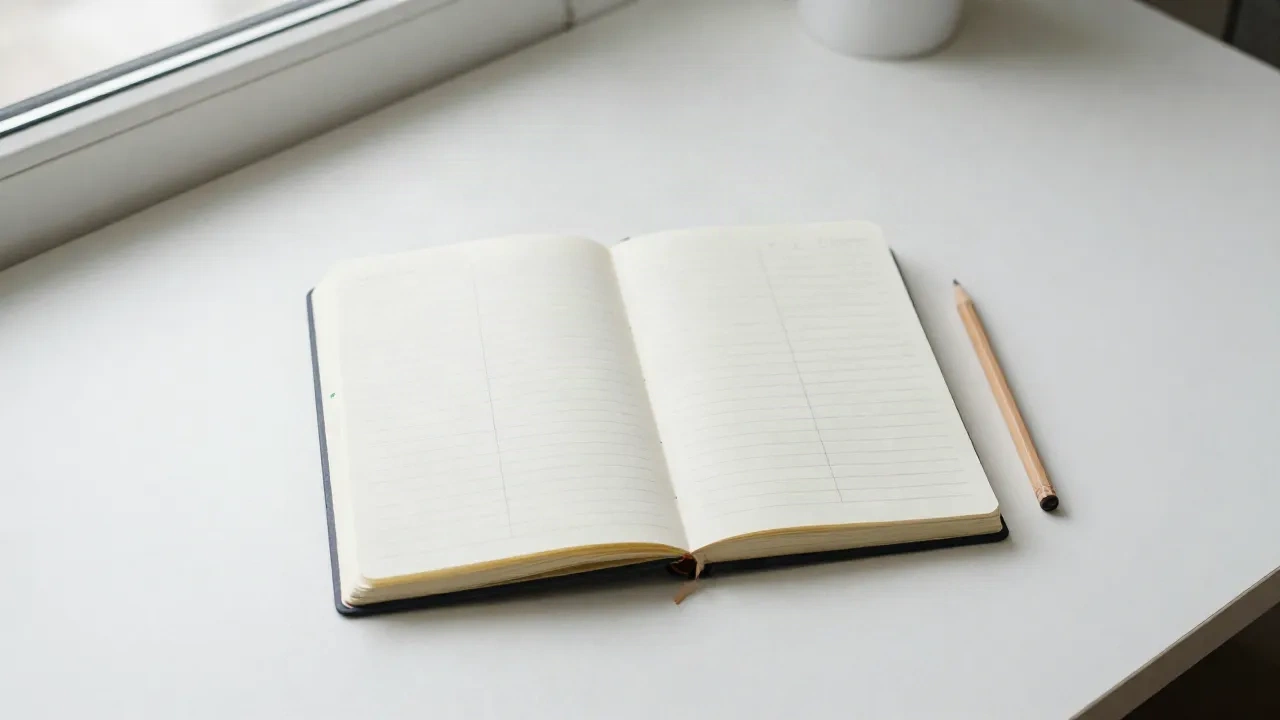
The Cornell Note Taking Method: What Sticks and Why
The Cornell note taking method works when you follow all five steps. Most people skip the cue column. Here is the full workflow, adapted for knowledge workers.
9 articles in Reading habits and information overload.
The Cornell note taking method works when you follow all five steps. Most people skip the cue column. Here is the full workflow, adapted for knowledge workers.
Most meeting notes fail before the meeting ends. A practical approach to capturing what matters, structuring it simply, and making it last.
Meeting minutes only work if people read them. Here is how to write them fast, keep them short, and make them useful months later.
Recording a Google Meet depends on your Workspace plan. This guide covers every option and how to turn the recording into something actually useful rather than a video nobody watches.
From choosing the right recording app to the 20-minute habit that makes recordings useful. A practical guide for students and knowledge workers.
A practical guide to personal assistant AI: what the nine categories actually do, where most setups fall short, and how to pick the right one for your work stack.
Most meeting notes land in a folder nobody opens. This template is built for decisions first, action items second, and nothing that just sounds complete.
A summary tells you what an article said. Action items tell you what to do next. Most reading lists only have the first one.
An objective summary captures the core argument of a text in neutral language. No opinions, no interpretation, just what the author actually said. Here is what that means in practice.